
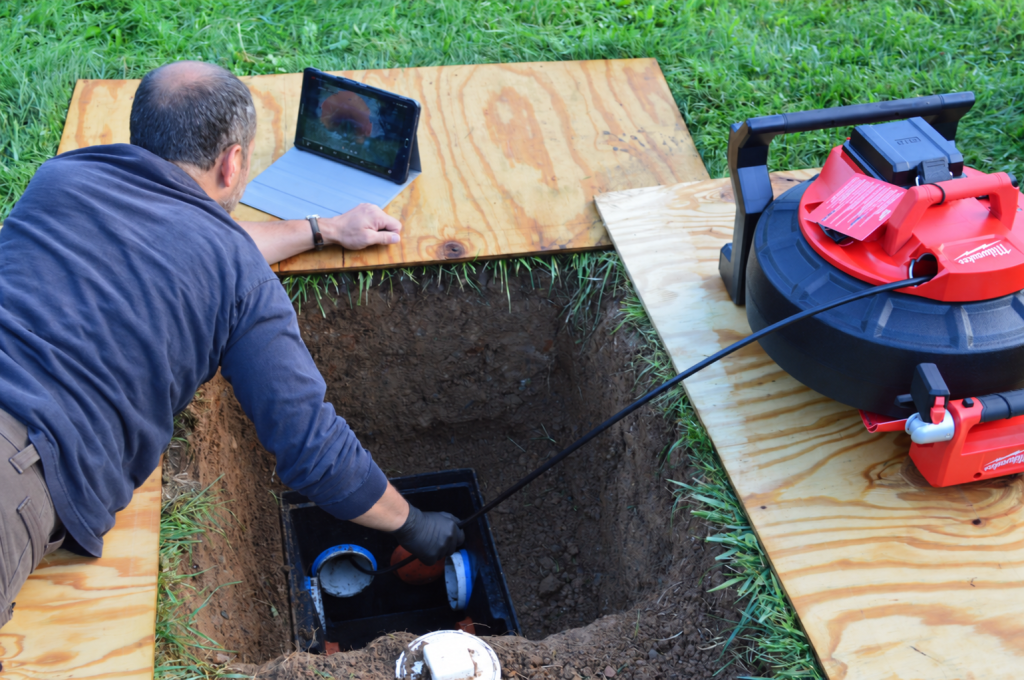
If your home is on a septic system, yes, in most cases it makes sense to have it inspected before you list the house, especially if the system is older, you do not know much about its maintenance history, or you have had any drainage or septic problems.
That does not mean Virginia requires every seller to order a septic inspection before putting a house on the market. It doesn’t. The Virginia Department of Health says it does not require septic systems to be inspected simply because a property is being bought or sold. A buyer’s lender may require one, and buyers can choose to have one performed as part of their due diligence.
So why would you pay to inspect something before a buyer asks you to?
Because there is a big difference between discovering a septic problem while you still control the schedule and discovering it when you are 12 days from closing.
Is a Septic Inspection Required Before Selling a House in Virginia?
Generally, no.
Virginia’s residential property disclosure law takes a fairly strong buyer-beware approach to wastewater systems. The statutory disclosure advises buyers to perform their own due diligence concerning the presence, type, maintenance, repair, inspection, and possible pump-out requirements of a wastewater system.
That doesn’t mean septic condition doesn’t matter during a sale.
A lender may require an inspection. A buyer may make the sale contingent on one. And if the inspection uncovers a significant problem, the repair process may involve a septic designer, permits, contractors, and additional inspections before everything is finished.
Virginia’s Department of Health specifically warns that significant septic deficiencies discovered late in a real estate transaction can delay closing because some repairs take weeks to design, permit, complete, and approve.
For a seller, that’s really the reason to think about this ahead of time.
Why Inspect the Septic System Before You List?
A pre-listing septic inspection gives you information while you still have options.
Imagine two situations.
In the first, you have the system inspected before the house goes on the market. You learn that a component needs repair. You get estimates, decide how you want to handle it, complete the work if appropriate, and keep the documentation.
In the second, you know nothing about the system. You accept an offer, start packing, schedule movers, and then the buyer’s septic inspector finds the same problem.
Now there may be a repair request, negotiations over price, questions from the lender, contractors trying to get onto the property quickly, and a closing date hanging over everyone’s head.
Same septic problem. Completely different amount of pressure.
That’s the biggest advantage of inspecting early: you get to deal with facts instead of surprises.
What Does a Septic Inspection Actually Look At?
This is where homeowners sometimes assume, “I had the tank pumped, so the septic system should be fine.”
Unfortunately, those aren’t the same thing.
The septic tank is only one part of the system. Wastewater travels from the house into the tank, then through additional components toward the drainfield, where the liquid portion is dispersed and treated in the soil.
Depending on the type and age of the system, a professional evaluation may involve reviewing records, examining the tank and accessible components, evaluating the distribution box, looking at conditions around the drainfield, checking wastewater flow, and sometimes performing a loading or performance test. VDH notes that loading tests can be particularly useful when a house has been vacant and the septic system hasn’t been experiencing normal household water use.
The piping matters too. A house-to-tank sewer line can have roots, deterioration, damage, or restrictions even when the septic tank itself looks acceptable.
If you’re not familiar with how these pieces work together, we explain it in Septic Tank vs. Drain Field: What’s the Difference?
That’s worth understanding before you sell because an inspector saying, “There’s a septic problem,” does not automatically mean the entire septic system has failed.

When Is a Pre-Listing Inspection Especially Worth Doing?
There are a few situations where you should be much less comfortable listing a property without knowing what’s underground.
An inspection becomes particularly useful if:
- You don’t know how old the septic system is.
- You can’t remember when it was last pumped or serviced.
- The system’s location or layout isn’t well documented.
- The house has been vacant for an extended period.
- You’ve had recurring slow drains, backups, gurgling toilets, or sewage odors.
- You’ve noticed wet or unusually green areas around the septic tank or drainfield.
- The tank seems to need pumping more frequently than it used to.
- The property has mature trees near septic piping or the drainfield.
- It’s an older Southwest Virginia home and very little is known about the underground infrastructure.
Properties around Floyd County, the New River Valley, the Roanoke Valley, and other parts of Southwest Virginia can also have challenging terrain, slopes, groundwater, mature landscaping, and older systems. None of those things automatically mean a septic system is bad. They simply make it more valuable to know what is actually there.
What Happens If the Inspection Finds a Problem?

First, don’t jump straight to “I need a whole new septic system.”
A septic problem might involve a clogged or damaged pipe, filter, baffle, distribution component, pump, tank issue, root intrusion, drainage problem, or a drainfield that isn’t accepting wastewater properly.
Those are very different problems with very different solutions.
We go deeper into that in Why Do Septic Systems Fail? 8 Common Causes because one of the biggest mistakes homeowners make is treating every septic symptom as a failed drainfield.
Sometimes the repair is relatively contained.
Sometimes further testing is needed.
And yes, sometimes there really is a significant drainfield or system problem that needs to be addressed.
If major repairs are required, Virginia may require a licensed designer and construction permit before the repair is performed. That’s another reason finding the issue before you’re working against a closing date can be helpful.
Could Inspecting Before You List Actually Create a Problem?
This is usually what sellers are quietly wondering.
“What if I inspect it and find something I didn’t know about?”
That’s possible.
Once you have information about the condition of your property, you need to handle that information appropriately during the sale. Exactly what you are legally required to disclose can depend on the circumstances, so that part of the conversation belongs with your real estate agent or a Virginia real estate attorney.
But there’s another side to this.
Not inspecting the system doesn’t make a problem disappear.
If the buyer has it inspected after you’re under contract, you may simply discover the same issue later, with less time to investigate it and fewer options for deciding how to respond.
For most sellers, knowing early is more useful than hoping nothing gets discovered.
How Much Does a Septic Inspection Cost?
Pricing depends on what kind of inspection you’re actually asking for.
A basic real-estate septic inspection and a detailed septic performance evaluation are not necessarily the same service.
For context, Skiwi currently lists an average investment of about $600 for a standard septic system inspection and about $1,600 for a more comprehensive septic performance evaluation, which includes additional evaluation, pumping, photos, and reporting. Actual cost can change with the system’s complexity, depth, terrain, and accessibility.
Before hiring anyone, ask exactly what the inspection includes. A lower price isn’t automatically a better deal if you’re comparing two completely different scopes of work.
What Records Should You Gather Before Selling?
Even before an inspection, try to collect whatever septic information you already have.
Your local health department may have records showing the permitted system type and other information about the original installation. VDH specifically recommends obtaining these records when evaluating a property with septic.
Also look for pumping receipts, maintenance records, repair invoices, permits, inspection reports, and any drawings showing where the tank and drainfield are located.
If you have an alternative onsite septic system, maintenance and operator records can be especially important because those systems can have ongoing operation and maintenance requirements.
A folder of real records is much more useful to a buyer than, “We’ve lived here 15 years and never had a problem.”
When Should You Call an Underground Plumbing or Septic Specialist?
If you’re getting ready to sell and you genuinely don’t know the condition of the septic system, that’s a reasonable time to have it evaluated.
The purpose isn’t to go looking for a giant repair project.
It’s to answer some basic questions before the buyer starts asking them:
What system do I have? Where is it? Is it functioning normally? Is anything showing signs of trouble? And is there something I should deal with before putting this house under contract?
At Skiwi Plumbing & Trenchless, that’s the part of septic work we care about most: understanding what’s actually happening underground before deciding what, if anything, needs to be repaired.
For homeowners preparing to sell in the Roanoke Valley, the New River Valley, and surrounding Southwest Virginia communities, a septic inspection before listing can provide something that’s very valuable during a real estate transaction: fewer unknowns.
You may find out the system is doing exactly what it’s supposed to do.
You may find something that needs attention.
Either answer is generally easier to deal with before there’s a closing date on the calendar.
If you’re preparing to list a Southwest Virginia home with a private septic system and want to understand its current condition, you can schedule a septic inspection or performance evaluation with Skiwi Plumbing & Trenchless before the house goes under contract.


